Historic Monuments of Ancient Nara
古都奈良の文化財
奈良市 · JP
Roots of Nara-period Japanese Buddhism, eight components in the World Heritage
Eight temples, shrines, and ruins in Nara City form 'Historic Monuments of Ancient Nara' (UNESCO 1998): Todai-ji, Kofuku-ji, Kasuga-taisha, Kasugayama Forest, Gango-ji, Yakushi-ji, Toshodai-ji, and Heijo Palace — the roots of 710-784 Nara-period Buddhism.
Best Season & Time
Cherry blossoms and Shuni-e (March 1-14); wisteria at Kasuga in late April; peak crowds.
★★★★★
New green and Mantoro (Aug 14-15); summer holidays bring crowds; arrive at dawn.
★★★★☆
Foliage on Kasugayama and Todai-ji; late November peak with the Shoso-in Exhibition.
★★★★★
Wakakusayama Yamayaki (4th Saturday January); lighter crowds; deer feeding peak.
★★★★☆
Top 3 Highlights
1.Daibutsuden and the Great Buddha
The 48 m Daibutsuden is the world's largest wooden building, housing the bronze Vairocana Buddha (15 m, dedicated 752) — a symbol of Tenpyo-era Buddhism. Twice burned and rebuilt (1180, 1567); the current building is from 1709, two-thirds the original Tenpyo and Kamakura scale.
The Daibutsuden facade through Chumon, morning light
2.Kasuga-taisha's 3000 lanterns
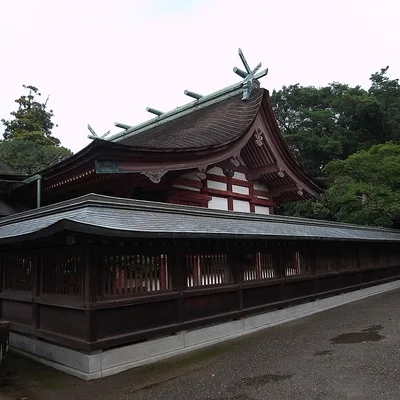
Founded in 768, Kasuga-taisha (National Treasure honden) is the Fujiwara clan's tutelary shrine, with about 3000 stone and bronze lanterns. The Mantoro festival (Setsubun, Obon) lights them at dusk against Kasugayama Forest.
The lantern-lined approach at the Mantoro evening lighting
3.Yakushi-ji East Pagoda — 'frozen music'
The East Pagoda (730) is the only original 8th-century structure at Yakushi-ji. The 34 m three-storied tower features mokoshi (inter-story pent roofs), giving it a six-roofed appearance, and was fully dismantled and restored 2012-2018. The West Pagoda was rebuilt in 1981.
Frontal long shot of Yakushi-ji's East Pagoda, morning light
Stories & Legends
Recommended For
Insider Tips
- 1.Visiting all 8 components in one day is not realistic (8 hours by foot/bus). The Todai-ji + Kasuga-taisha + Kofuku-ji central trio takes half a day, Yakushi-ji and Toshodai-ji the next half-day, and Heijo Palace another half — three half-days is realistic.
- 2.Todai-ji's Shuni-e (Omizutori, March 1-14) is a 1270-year-old penitential rite; days 12-14 are most popular. Check the schedule on the official site, arrive early — known internationally.
- 3.Kasuga-taisha's Mantoro festival (Setsubun Feb 3, Obon Aug 14-15) lights all 3000 lanterns from 18:00-21:00. Crowds peak; check schedule on the official site, plan for heat (Aug).
Visit Information
- Access
- From JR Nara station to Todai-ji is 10 minutes by city bus, 15 minutes' walk from Kintetsu Nara. From Kyoto, Kintetsu Limited Express in 35 minutes; from Osaka Namba, Rapid in 35 minutes.
- Time Required
- Half a day for Todai-ji + Kasuga-taisha + Kofuku-ji, 2-3 days for the full set.
- Budget Guide
- Todai-ji Daibutsuden adult 800 yen, Kasuga-taisha inner viewing 500 yen, Kofuku-ji National Treasure Hall 700 yen. (As of 2024.)
Nearby Attractions
Horyu-ji and Hokki-ji (separate UNESCO group, 1993) 30 min by car; Yoshinoyama (UNESCO Kii Mountain Range) 1 hour; Kyoto City (Kintetsu Limited Express 35 min, UNESCO Historic Monuments of Ancient Kyoto) combine for a 'Kansai Buddhist World Heritage' itinerary.
Go Deeper
Deeper details for those with the time to read on.
Timeline
- March 710
Heijo-kyo capital
Empress Genmei moves the capital from Fujiwara-kyo to Heijo-kyo, founding ancient Japan's largest grid-plan capital.
- 728
Todai-ji commissioned
Emperor Shomu commissions Todai-ji as the central temple of the kokubunji and kokubunni-ji system, establishing Buddhist administration nationwide.
- 9 April 752
Daibutsu dedication
The 15 m bronze Vairocana Buddha is dedicated, the apex of Tenpyo-era Japanese Buddhist culture.
- 759
Toshodai-ji founded
The Tang monk Ganjin founds Toshodai-ji, the head temple of orthodox-precept Japanese Buddhism (Ritsushu sect).
- 768
Kasuga-taisha founded
The Fujiwara clan founds Kasuga-taisha, the apex of ancient Shinto sacred sites with 3000 lanterns.
- 784
Nagaoka-kyo move
Emperor Kanmu moves the capital to Nagaoka-kyo, abandoning Heijo-kyo, but the temples continue in use through medieval times.
- Dec 1180
Nanto Burning
Taira no Shigehira's Nanto Burning destroys Todai-ji and Kofuku-ji; the Daibutsuden burns and the Daibutsu is damaged.
- 1181-1195
Kamakura rebuild
Shunjobo Chogen leads Kamakura reconstruction; the daibutsuyo Nandaimon (1199) and the new Daibutsuden (1195) are completed.
- Oct 1567
Burned again
Matsunaga Hisahide's war with the Miyoshi destroys the Daibutsuden again; the open-air Buddha stands for 130 years until rebuilt.
- 1709
Current Daibutsuden
Kokei Shonin rebuilds the Daibutsuden at two-thirds the Tenpyo and Kamakura scale — the masterpiece of Edo rebuilds.
- Dec 1998
World Heritage inscription
Inscribed within 'Historic Monuments of Ancient Nara' (8 components), gaining international protection.
- 2010
Heijo 1300th anniversary
The reconstruction of the Daigokuden and the international festival rebrand Nara's tourism identity.
Detailed History
Historic Monuments of Ancient Nara is the December 1998 UNESCO inscription of 8 components in Nara City: Todai-ji, Kofuku-ji, Kasuga-taisha, Kasugayama Primeval Forest, Gango-ji, Yakushi-ji, Toshodai-ji, and Heijo Palace. Origins trace to March 710 when Empress Genmei (r. 707-715) moved the capital from Fujiwara-kyo (built by Empress Jito, 694-710) to Heijo-kyo. Heijo-kyo was a grid-plan city modeled on Tang Chang'an (84 sq km, 110 jobo), about 25 sq km in area, 4.3 km east-west × 4.7 km north-south, with an estimated 100,000 inhabitants. The Suzaku Avenue (74 m wide × 3.7 km) ran on the central axis with the Heijo Palace (the imperial residence, 1.2 × 1.0 km) at the north end and Rajomon at the south, the largest pre-modern Japanese capital. In 728 Emperor Shomu (r. 724-749) commissioned Todai-ji; on 9 April 752 the 15 m bronze Vairocana Buddha was dedicated by the Indian monk Bodhisena (with the Tang monk Ganjin and others present). The same period saw Kofuku-ji (Fujiwara clan temple, founded 669), Yakushi-ji (Emperor Tenmu's commission, 680), Gango-ji (Soga clan temple, 588, relocated for Heijo-kyo), and Toshodai-ji (founded by Ganjin, 759); the Fujiwara established Kasuga-taisha in 768. The 784 move to Nagaoka-kyo abandoned the capital, but the temples remained in continuous use through medieval times. In December 1180, Taira no Shigehira (1157-1185) burned Todai-ji and Kofuku-ji (Daibutsuden destroyed); Shunjobo Chogen led the 1181 Kamakura reconstruction (Daibutsuden rebuilt 1195). In October 1567 the Matsunaga-Miyoshi war destroyed the Daibutsuden again; it was rebuilt under Edo-era 1709 by Kokei Shonin (two-thirds the Tenpyo and Kamakura scale). UNESCO inscribed 8 components in December 1998 under criteria (ii)(iii)(iv)(vi). The 2010 Heijo Capital 1300th-anniversary festival reconstructed the Daigokuden; today the area attracts 13 million visitors annually as a top-three Kansai World Heritage site.
Cultural Significance
Historic Monuments of Ancient Nara embody the roots of Nara-period Japanese Buddhism and the ancient state, alongside Kyoto and Itsukushima as the apex of traditional Japanese culture. UNESCO criteria (ii)(iii)(iv)(vi): (ii) the Japanization of Tang culture and the development of Japanese Buddhist architecture, (iii) the unique testimony of the Nara period, (iv) the masterpiece of Heijo Palace and the great-temple complex, (vi) the universal religious significance of Todai-ji's Daibutsu and Kasuga-taisha. The Nara period (710-794) is the genesis of Japanese Buddhism, state ritual, public records, and Manyoshu (compiled c. 770), with 'Aoni Yoshi the capital of Nara' embedded in collective memory. The 752 Daibutsu dedication brought together monks from India (Bodhisena), Tang China (Ganjin), and Japan in an international ritual, an icon of 8th-century Eurasian Buddhist networks. Todai-ji's Shuni-e (Omizutori, March 1-14) is a 1270-year-old penitential rite, a national spring tradition and a continuing element of ancient Japanese culture. Kasuga's deer (sacred messengers) became Natural Monuments in 1957, building 'Nara = deer' as a worldwide brand. Recurring in Shiba Ryotaro, Kawabata Yasunari's 'The Old Capital', and many NHK dramas. The 2010 Heijo 1300th festival was a symbolic regional-revitalization project that drew international attention.
Architectural Details
Historic Monuments of Ancient Nara comprises 8 components in Nara City. Todai-ji holds the Daibutsuden (National Treasure, 1709, 48 m × 57 × 50 m, world's largest wooden building), Nandaimon (National Treasure, 1199, Kamakura rebuild, daibutsuyo, niten guardians), Nigatsudo (National Treasure, 1669 rebuild), Sangatsudo (Hokkedo, National Treasure, 8th c.), and the Shoso-in (National Treasure, 8th c., azekura-style, repository of Emperor Shomu's effects). Kofuku-ji has the five-storey pagoda (National Treasure, 1426, 50 m), Hokuendo (National Treasure, 1210), East Kondo (National Treasure, 1415), and the National Treasure Hall (Ashura statue, 8th c.). Kasuga-taisha has 4 honden (National Treasure, founded 768, 1863 rebuild, kasuga-zukuri), Wakamiya, and about 3000 lanterns. Yakushi-ji has the East Pagoda (National Treasure, 730, 34 m, 'frozen music'), West Pagoda (1981 reconstruction), and Kondo (1976). Toshodai-ji has the Kondo (National Treasure, 8th c., yosemune, brought by Ganjin) and the Ganjin statue (National Treasure, 8th c., dakatsukanshitsu). Gango-ji has the Gokuraku-bo (National Treasure, 1244 rebuild, gyoki-buki roof). The Heijo Palace site holds the reconstructed Daigokuden (2010) and Suzakumon (1998). Kasugayama Primeval Forest preserves 252 ha of old-growth forest as a sacred zone.