Buddhas of Bamiyan
バーミヤン渓谷の仏立像
バーミヤーン州 · AF
The 55m cliff Buddha that Xuanzang once revered, lost in 2001 — UNESCO dark heritage
Carved into the sandstone cliffs of central Afghanistan's Bamiyan Valley at 2,500m, the two monumental Buddhas of Bamiyan, 55m and 38m tall, were sculpted between 570 and 618 CE and destroyed by the Taliban in March 2001, leaving empty niches as a UNESCO World Heritage in Danger site since 2003.
Best Season & Time
Snow melts and the valley turns green with mild weather, the only practical walking window at 2,500m elevation
★★★☆☆
Temperatures stay around 20C at altitude with optimal daylight for photographing the cliff niches and caves
★★★★☆
Early snow caps the Hindu Kush and the valley turns golden in a brief autumn with exceptional clarity
★★★☆☆
Sub zero temperatures down to -20C and frequent road closures make the valley extremely difficult to access
★☆☆☆☆
Top 3 Highlights
1.Empty niche of the 55m Western Buddha Salsal
Carved around 618 CE, the 55m Western Buddha Salsal was the largest standing rock-cut Buddha of Gandharan art and revered by Tang monk Xuanzang in 630 CE. Destroyed by Taliban in March 2001, only the 12m niche remains as silent monument.
Capture the full niche framing from the south side road in afternoon light
2.Eastern Buddha Shah Mama niche and caves
Built around 570 CE, the 38m Eastern Buddha Shah Mama predates Salsal by half a century and likely represents a female figure. Over 1,000 cave temples in the surrounding cliff hold 6-8th century Gupta and Sasanian murals, though roughly 80 percent were lost in the conflicts.
Wide frame including the Eastern Buddha niche and the adjacent cave clusters
3.Buddhist cultural landscape of the Hindu Kush
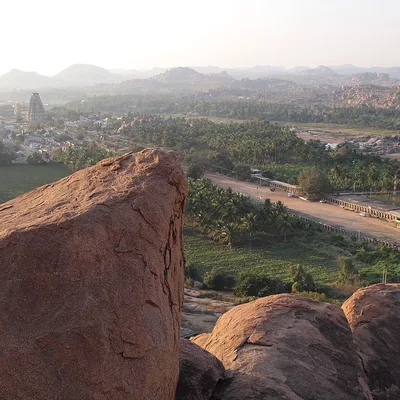
Bamiyan Valley at 2,500m served as a Silk Road Buddhist center from the 2nd century CE, where Gandharan, Indian, Hellenistic, and Sasanian traditions converged into Greco-Buddhist style. The Hindu Kush cliffs and remains form the core of this UNESCO cultural landscape.
Aerial composition of the site and surrounding villages from the northern cliff
Stories & Legends
Recommended For
Insider Tips
- 1.Japan and US ministries maintain Level 4 evacuation advisories for Afghanistan since the Taliban takeover in August 2021. UNESCO Silk Roads Programme and Google Arts and Culture 3D reconstruction projects offer remote alternatives for digital exploration
- 2.In June 2015, a Chinese team led by Zhang Xinyu and Liang Hong staged a 3D laser projection event in the Western Buddha niche, recreating the light Buddha at original scale. The YouTube footage offers an accessible digital window into the lost monuments
- 3.Tokyo University of the Arts reconstructed the Eastern Buddha ceiling mural The Sun God in Flight using clone cultural property technology, exhibited in 2016 at the G7 Ise Shima Summit, with related materials at the Hirayama Ikuo Silk Road Museum in Yamanashi
Visit Information
- Access
- The site lies approximately 230km northwest of Kabul in mountainous terrain, normally an 8-10 hour drive from the capital. Since the Taliban takeover in August 2021, on-site visits by foreign nationals have become effectively impossible.
- Time Required
- 2-3 hours for remote digital exploration, half to full day on-site if conditions allowed
- Budget Guide
- Physical visits are effectively impossible due to Level 4 travel advisories. Remote viewing via UNESCO archives and 3D reconstruction footage is free. (As of 2024)
Nearby Attractions
Within Bamiyan province, the chain of azure high altitude lakes at Band-e Amir National Park lies two hours by car, the Ghorid-era Shahr-e Zohak Red City fortress sits east, and the Shahr-e Gholghola ruins besieged by Genghis Khan form an integrated cluster, though all currently inaccessible.
Go Deeper
Deeper details for those with the time to read on.
Timeline
- 1st century CE
Buddhist cave temples begin
During the Kushan dynasty, Buddhist cave temples are first carved into the sandstone cliffs along the Silk Road trade routes
- ca. 570 CE
Eastern Buddha Shah Mama carved
The 38m Eastern Buddha known as Shah Mama or Queen Mother is carved into the sandstone cliff during the Hephthalite period
- ca. 618 CE
Western Buddha Salsal carved
The 55m Western Buddha called Salsal becomes the symbol of Central Asian Buddhism, hewn from the sandstone cliff face
- 630 CE
Xuanzang visits Bamiyan
Tang pilgrim monk Xuanzang visits Bamiyan on his way to India and later records the gilded Buddhas in his Great Tang Records
- 770 CE
Abbasid Islamic conquest
The Islamic conquest by Al-Mahdi of the Abbasid Caliphate leads to Buddhist decline, but the giant Buddhas miraculously survive
- 871 CE
Saffarid statue plunder
Yaqub ibn al-Layth of the Saffarid dynasty plunders many smaller Buddhist statues, but the colossal cliff Buddhas remain
- 1221
Genghis Khan invasion
Mongol forces under Genghis Khan besiege Bamiyan Valley and massacre the population, but leave the giant Buddhas unharmed
- late 17th century
Aurangzeb bombardment
Mughal emperor Aurangzeb orders artillery bombardment of the Buddhas, causing minor damage but failing to topple them
- 1979
Soviet invasion
The Soviet invasion of Afghanistan triggers decades of civil war, and many landmines are laid around the heritage site
- 1998
Taliban occupation
The Taliban regime takes control of Bamiyan, placing the heritage site under Islamic fundamentalist administration
- March 2001
Destruction of the Buddhas
Under orders from Mullah Muhammad Omar, the Taliban destroys both monumental Buddhas with explosives despite international appeals
- 2003
World Heritage and Danger listing
The 27th UNESCO World Heritage Committee inscribes the site as Cultural Landscape and adds it to the Danger List
- 2015
3D laser Buddha reconstruction
A Chinese team led by Zhang Xinyu stages a 3D laser projection in the Western Buddha niche, recreating the lost monument in light
- August 2021
Taliban return to power
The Taliban regains full control of Afghanistan, placing the Bamiyan heritage site once again under Taliban administration
Detailed History
The Bamiyan Buddhist complex begins in the 1st century CE during the Kushan dynasty, when Buddhist cave temples were first carved into the sandstone cliffs along Silk Road routes through the Hindu Kush at 2,500m elevation. Over 1,000 caves were excavated as the valley became a center of Greco-Buddhist art, where Gandharan, Indian, Hellenistic, and Sasanian traditions converged. Buddhist culture peaked in the 5th to 7th centuries under Hephthalite rule, and radiocarbon dating has determined the 38m Eastern Buddha Shah Mama was carved around 570 plus or minus 15 years CE, and the 55m Western Buddha Salsal around 618 plus or minus 12 years CE. Both were hewn from sandstone with face, hand, and robe details modeled in mud and straw coated with painted stucco, the Western in carmine red and the Eastern in multiple colors. Recent research suggests their upper faces consisted of large wooden masks. In 630 CE the Tang pilgrim Xuanzang visited Bamiyan and in his Great Tang Records on the Western Regions described the Buddhas as gilded with thousands of monks in the monasteries. The Islamic conquest by Abbasid Caliph Al-Mahdi in 770 CE led to Buddhist decline, and the final conversion came under the Ghaznavid dynasty in 977 CE. In 871 CE Yaqub ibn al-Layth of the Saffarid dynasty looted many smaller statues, but the cliff Buddhas remained. During the Mongol invasion of 1221, Genghis Khan's army besieged Bamiyan and massacred the population, but the Buddhas were left unharmed. In the late 17th century, Mughal emperor Aurangzeb ordered bombardment, causing minor damage but failing to topple them. After the Soviet invasion of 1979 began the Afghan war, landmines were laid around the site during the 1980s and 1990s. The Taliban occupied Bamiyan in 1998. On February 26, 2001, Mullah Muhammad Omar issued a decree to destroy all statues citing Islamic prohibitions against idolatry. Despite UN resolution A/RES/55/243 passed unanimously, appeals from Japan, China, and Sri Lanka, and protests from Islamic religious leaders worldwide, the Taliban began destruction on March 2 and reduced both Buddhas to rubble within days. In July 2003, the 27th UNESCO World Heritage Committee inscribed the Cultural Landscape and Archaeological Remains of the Bamiyan Valley under criteria i, ii, iii, iv, and vi, simultaneously placing it on the Danger List.
Cultural Significance
Bamiyan stands alongside Auschwitz-Birkenau, Hiroshima Peace Memorial, and Goree Island as a representative example of UNESCO dark heritage, etched into international memory as a symbol of deliberate cultural destruction. The 2003 inscription applied five criteria simultaneously: criterion i for masterpiece of human creative genius, criterion ii for convergence of Gandharan, Indian, Hellenistic, Sasanian, and Islamic influences, criterion iii as the sole remaining witness to a Buddhist culture vanished from Central Asia, criterion iv as a cultural landscape from the Buddhist height, and criterion vi as a monumental symbol of Western Buddhism. In response to the 2001 destruction, Japanese painter Hirayama Ikuo, then UNESCO Goodwill Ambassador, led protests and founded the Japan Committee for the Protection of Displaced Cultural Property. The Japanese government contributed 1,815,967 dollars to UNESCO Japanese Funds-in-Trust from 2002 and over 700 million yen by 2017. In June 2015 a Chinese team recreated the Western Buddha through 3D laser projection, and in 2016 Tokyo University of the Arts reconstructed the Eastern Buddha ceiling mural The Sun God in Flight at the G7 Ise Shima Summit. Iranian filmmaker Mohsen Makhmalbaf's 2003 film Buddha Collapsed Out of Shame questioned why the world's outrage focused on lost statues rather than humanitarian crisis.
Architectural Details
The Bamiyan Buddhas were monumental rock-cut reliefs carved into the sandstone cliffs, the Western Buddha Salsal measuring 55m and the Eastern Buddha Shah Mama at 38m, set within niches 12m and 8m deep. Main bodies were hewn from sandstone, while face, hand, and robe details were modeled in mud and straw coated with painted stucco. The Western Buddha was painted carmine red, the Eastern in multiple colors. Recent scholarship suggests their upper faces consisted of large wooden masks rather than carved stone. The two Buddhas displayed different mudras, with the Western representing Vairocana and the Eastern representing Sakyamuni Buddha. The surrounding cliff face holds over 1,000 Buddhist cave temples excavated from the 1st century CE onward, with interior walls decorated with 6th to 8th century murals showing Gupta, Sasanian, Tokharan, and Byzantine influences. Representative themes include The Sun God in Flight, Maitreya Bodhisattva, and Thousand Buddha compositions, but approximately 80 percent of the murals were lost. Since 2002, a German team has conducted radiocarbon dating of wood fragments from the rubble, establishing the construction dates, and Japan, Italy, and Germany collaborate under UNESCO on conservation of remaining murals and niche stabilization.